Simple Dribbling Circuit Yellow Markers - Open Dribble with footwork Black Markers - Slalom Blue Markers - L to R, R to L Drags Green Markers - V-drags (R to L, L to R) Red Markers - J-turn (Spin) Orange markers - Jinks (Left & Right)
Open Dribble with footwork Ball stays on the line, player has to move body from side to side Slalom Options - Flat and Reverse change of direction (outside foot cuases change of direction) - Flat stick only (move feet to change direction) L to R, R to L Drags as per slalom, change of direction (outside foot cuases change of direction) Drags should be square, not angled (so as to commit defender) V-drags (R to L, L to R) as per slalom, change of direction (outside foot cuases change of direction) Drags should be V, into the doble marker and then pulled back outside opposite foot J-turn (Spin) player stays on inside of markers, ball goes on outside. ensure on the tight part of the turn, top (left) hand pushes handle outside right arm Jinks (Left & Right) as per L to R & R to L drags, change of direction (outside foot cuases change of direction) use ball momentum to create lift in jink
This practice has no coaching points
This practice has no progressions
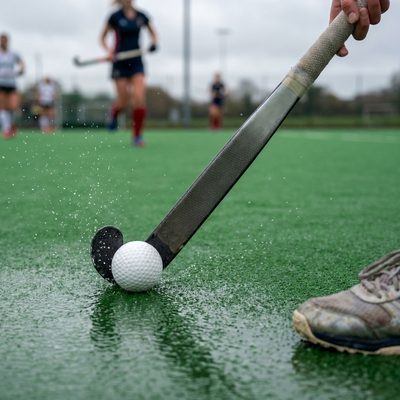
Rain, standing water and a slick pitch change everything. Here is how to adjust your technique and game plan for wet winter hockey.
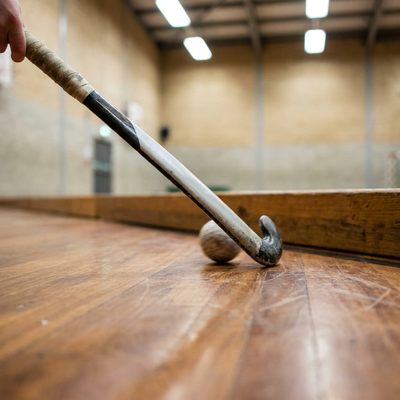
As clubs start their indoor fixtures, outdoor habits get punished fast. Here is how to retrain the skills that actually change indoors.
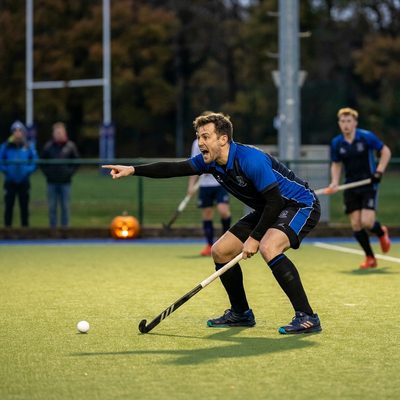
Two defenders chase the ball, nobody covers the runner, and a soft goal goes in. Here is the five-step treat for the mix-up haunting hockey defences this October.


Register for FREE and get coaching tips, top drills, session and more every week!