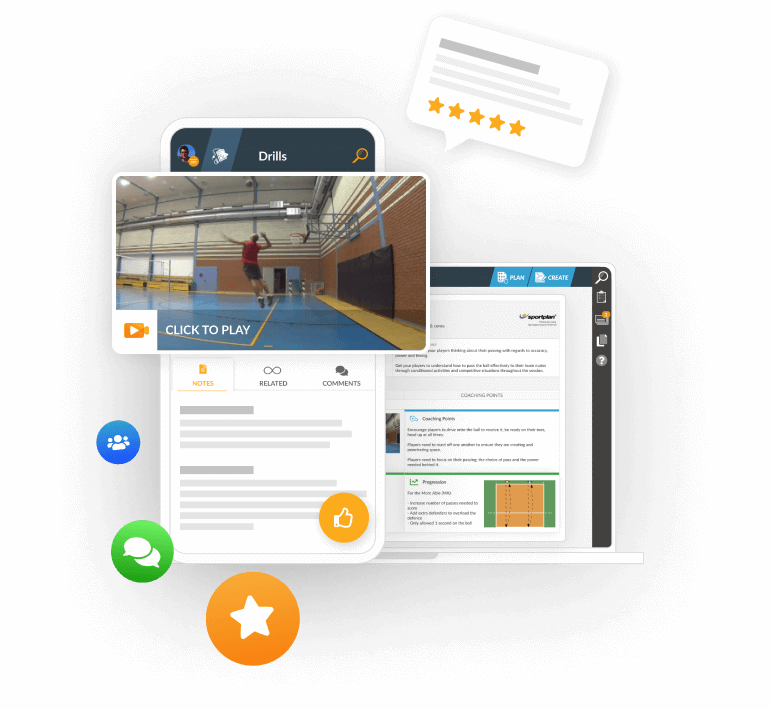
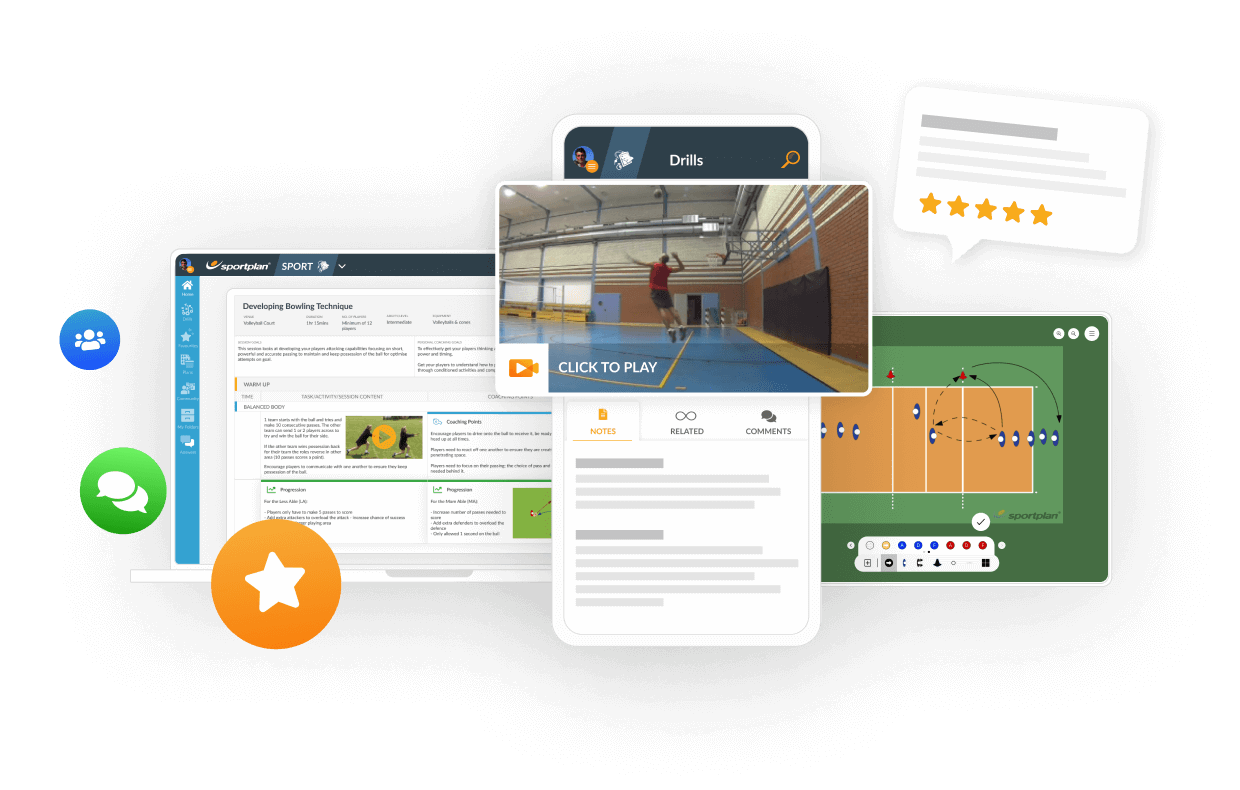
Team A serves the ball from behind the 2-meter line (badminton court) or the 3-metre line (volleyball court). This can be an overarm or underarm serve. The receiving team catches the ball (directly or after a bounce). The child that catches the ball throws the ball to his team mate (setter) at the net by means of a catch-throw movement. By means of a catch-throw movement, the setter throws the ball to his team mate, who hits it over the net (while standing still or jumping). The defending team catches the ball (directly or after a bounce) and throws it to a team mate (setter) by means of a catch-throw movement. By means of a catch-throw movement, the setter throws the ball to his team mate, who hits it over the net (while standing still or jumping). After the team has hit the ball over the net, it rotates. After scoring, the team that has ball possession starts serving. You can play this level in two against two, three against three or two against Team A serves the ball from behind the end line of the badminton court or the 7-metre line of the volleyball court. This can be an overarm or underarm serve. The receiving team makes an underarm or overarm pass. By means of a catch-throw movement, the setter throws the ball to his team mate, who hits it over the net (while standing still or jumping). The defending team catches the ball (directly or after a bounce) and throws it to a team mate (setter) by means of a catch-throw movement. By means of an overarm or underarm setup, the setter passes the ball to his team mate, who hits it over the net (while standing still or jumping). The scoring team serves. You can play this level in two against two, three against three formations
This practice has no coaching points
This practice has no progressions
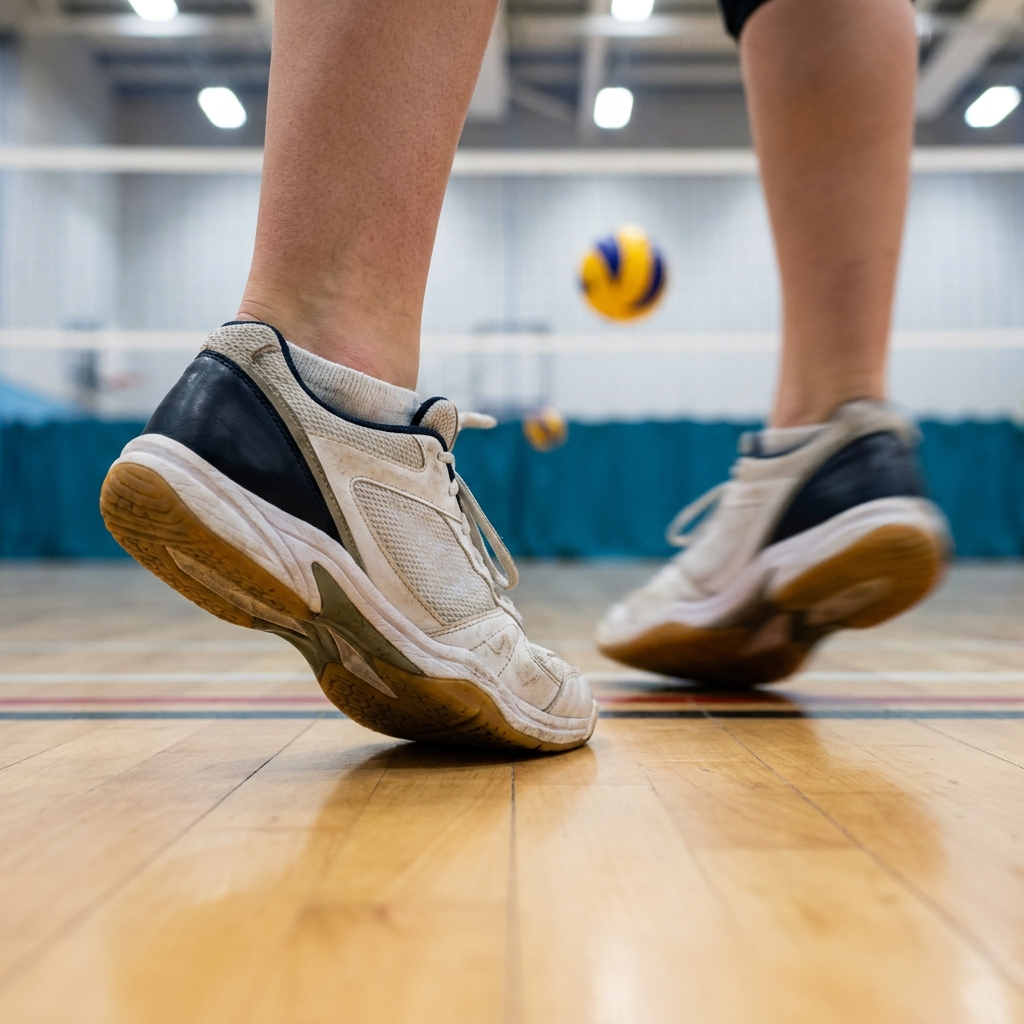
New hitters rarely miss because of their arm. They miss because of their feet. Build a reliable approach, then time it with your setter.
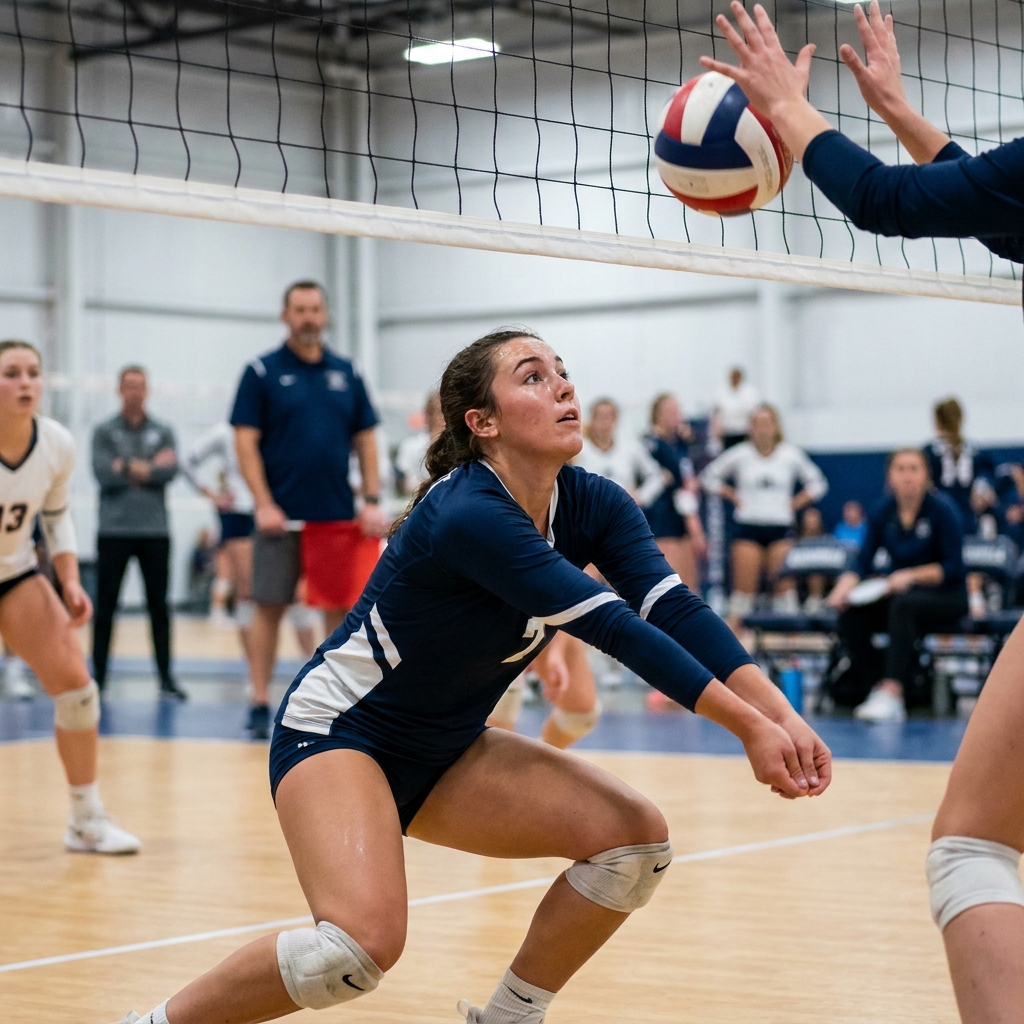
When your hitter gets stuffed, five teammates standing and watching is how you lose the point. Good attack coverage turns a blocked ball into a second swing.
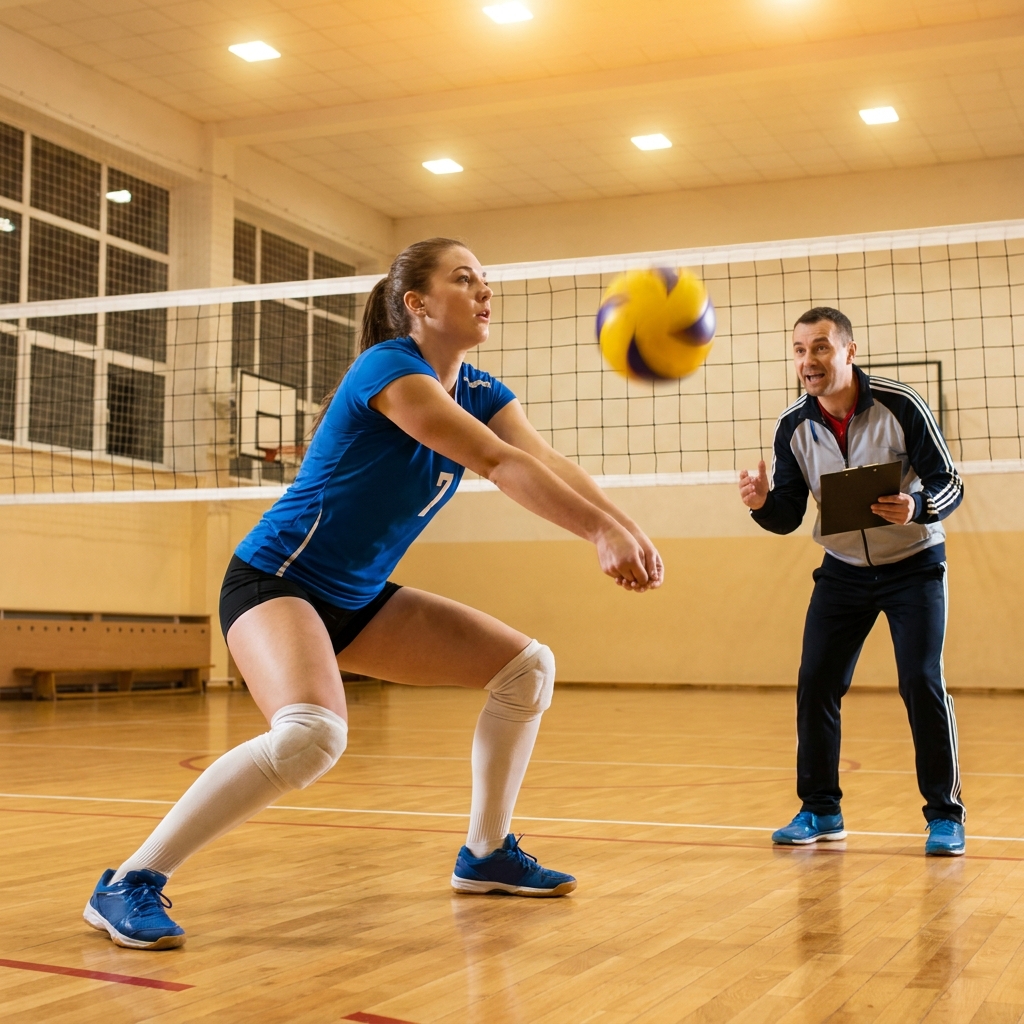
Coaches spend hours correcting arms in serve receive when the real fault is almost always the feet. Fix the movement and the platform fixes itself.


Register for FREE and get coaching tips, top drills, session and more every week!