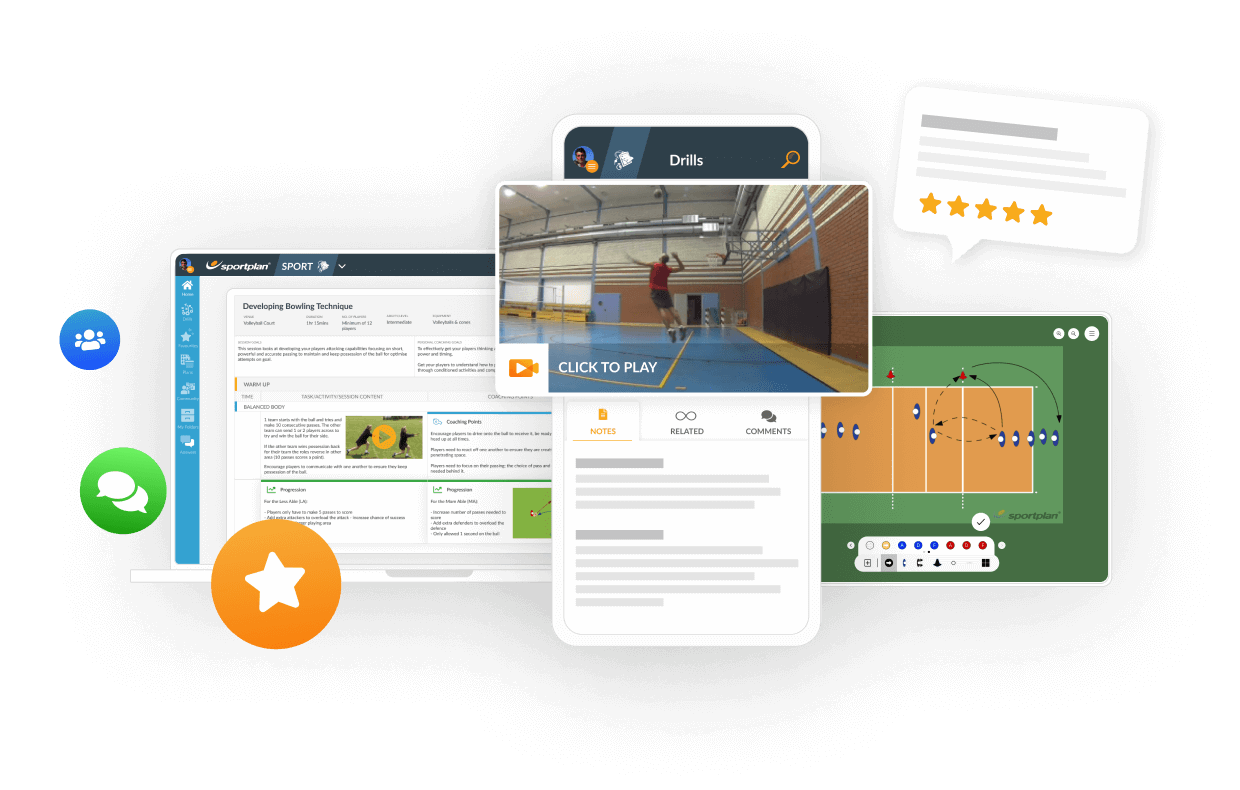
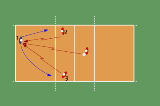
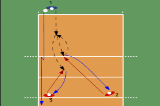
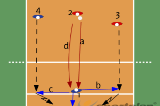
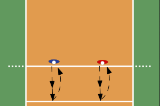
The ball is served to player 1, who is standing in zone 6. Player 1 then digs up the ball (a) to player 2 (standing close to the net in zone 2). Player 3 then throws the ball (b) from zone 4 to player 1 who has to either bump or set the ball (c) depending on the way the ball is fed to them. Player 2 then feeds the ball (d) to player 1, who again either has to bump or set the ball (e). After a set number of repetitions of the previous steps, player 1 must set the ball (f) from Zone 6 to Zone 4 for a spike (g).
To ensure the best possible game situation get your player in zone 6 to receive the served ball from different zones. Also get your players to feed balls in various ways, heights and to different parts of the court.
To improve your players accuracy, you can place a pendant or put rims or hoops on the court so all the balls must be digged towards them.
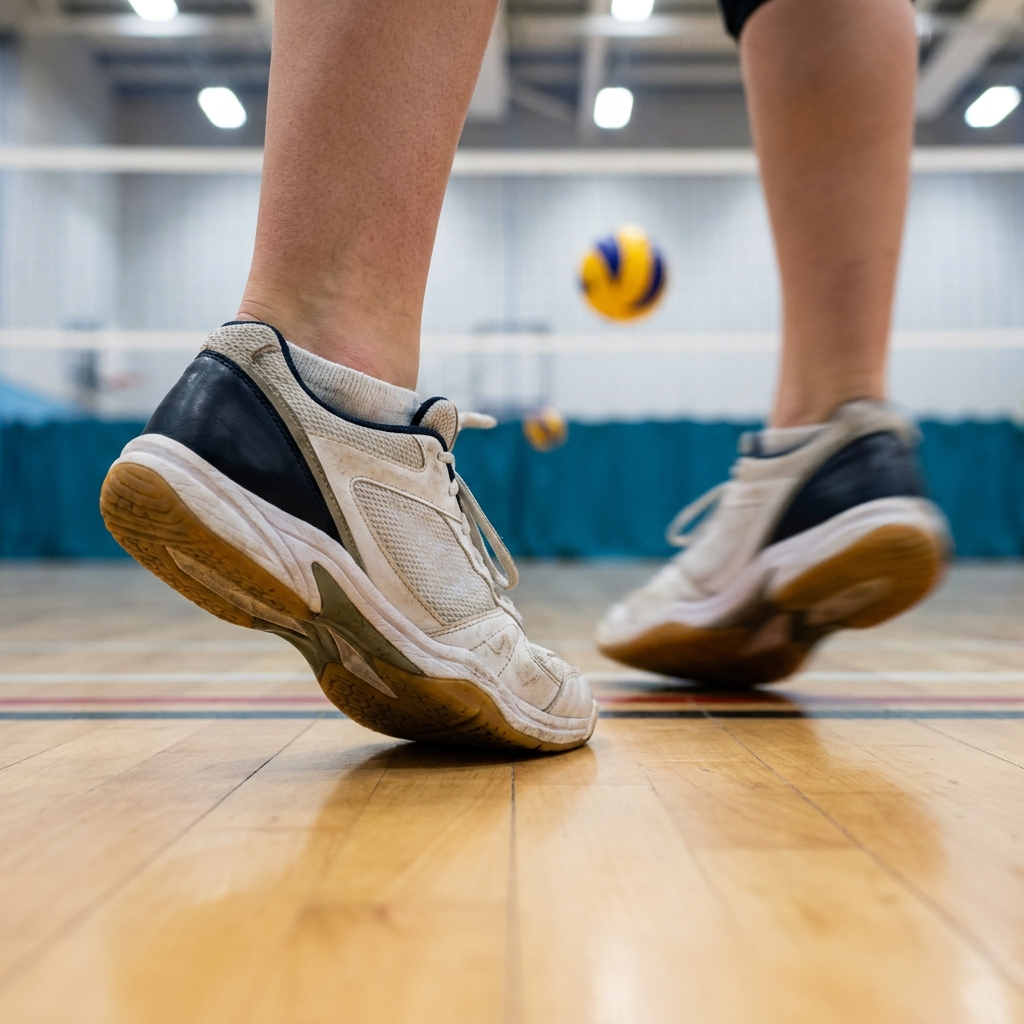
New hitters rarely miss because of their arm. They miss because of their feet. Build a reliable approach, then time it with your setter.
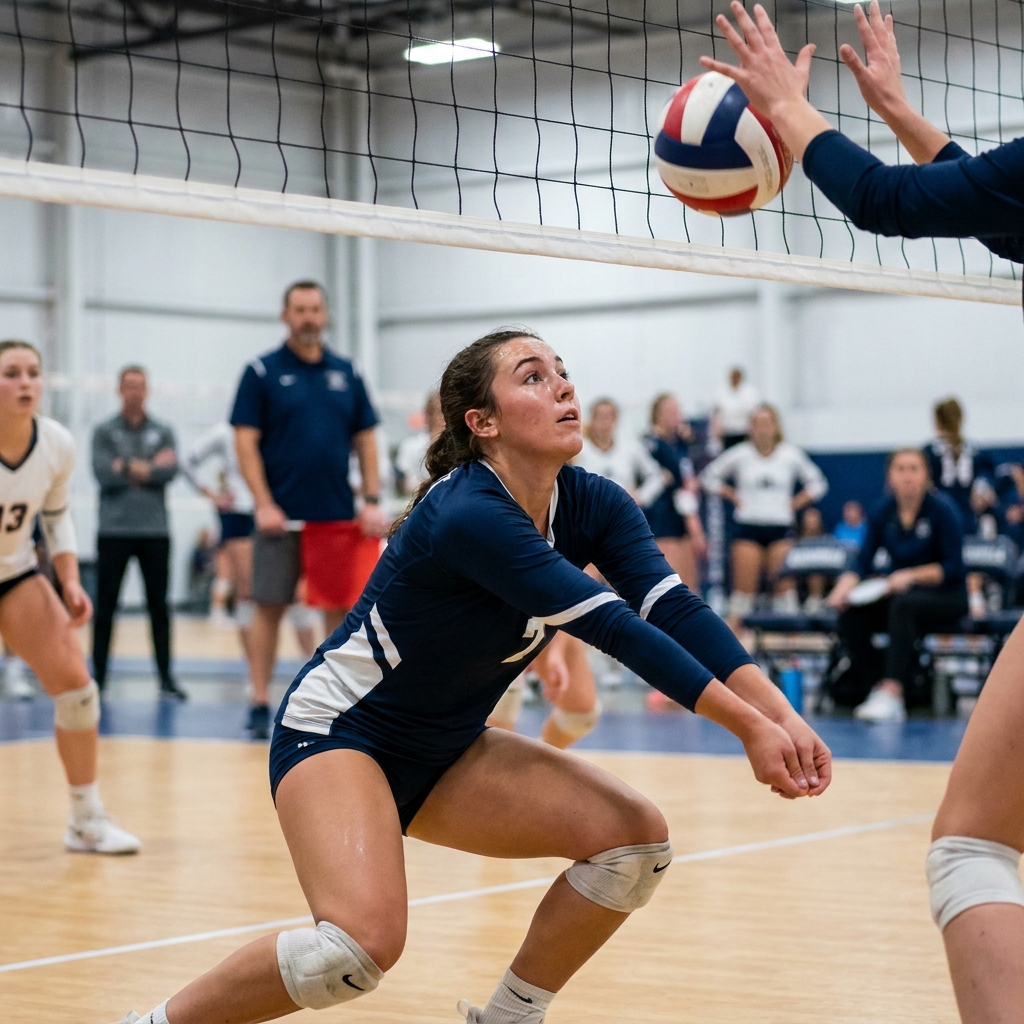
When your hitter gets stuffed, five teammates standing and watching is how you lose the point. Good attack coverage turns a blocked ball into a second swing.

Coaches spend hours correcting arms in serve receive when the real fault is almost always the feet. Fix the movement and the platform fixes itself.


Register for FREE and get coaching tips, top drills, session and more every week!