The integration of technology in volleyball coaching has accelerated dramatically. Data analytics, motion tracking, and artificial intelligence provide insights that were impossible just years ago. Teams using these tools report significant improvements in performance and match outcomes.
Video Analysis
The foundation of modern performance analysis:
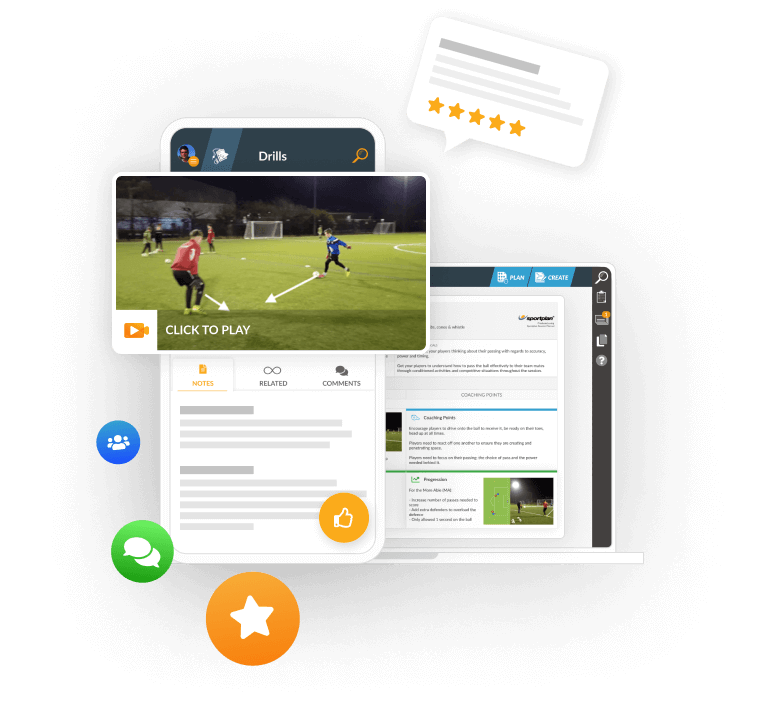
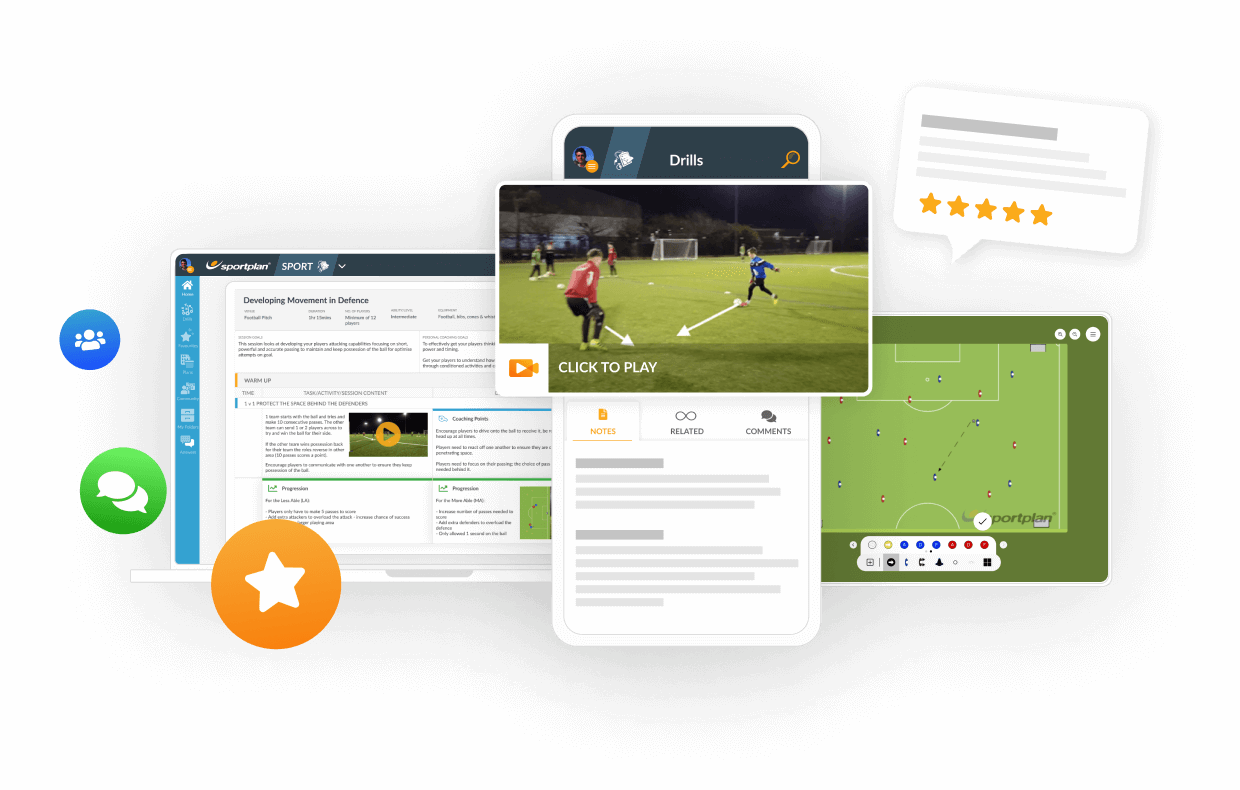
Frame-by-frame breakdown: Analyse technique in detail, identifying subtle flaws.
Opposition scouting: Study opponent tendencies, rotations, and weaknesses.
Self-assessment: Players review their own performance for accelerated learning.
Tactical patterns: Identify successful and unsuccessful play sequences.
Wearable Technology
Real-time data during training and matches:
Jump monitoring: Track jump height, frequency, and landing mechanics.
Workload management: Monitor training load to prevent overtraining.
Movement patterns: Analyse court coverage and positioning efficiency.
Recovery tracking: Heart rate and other metrics guide recovery protocols.
AI-Powered Analysis
Artificial intelligence is revolutionising coaching:
Pattern recognition: AI identifies opponent tendencies humans might miss.
Strategy recommendations: Data-driven suggestions for tactical adjustments.
Injury prediction: AI can flag potential injury risks from movement patterns.
Performance prediction: Teams report up to 15% improvement in match outcomes using AI analytics.
Practical Implementation
Start simple: Basic video recording and review is accessible to all teams.
Focus on actionable data: Collect only what you'll actually use to make decisions.
Player buy-in: Technology works best when players understand and trust it.
Balance with intuition: Data supplements coaching experience, doesn't replace it.
Key Coaching Points
- Video analysis is accessible and high-value for all levels
- Wearables help manage training load and prevent injuries
- AI can identify patterns and tendencies at scale
- Focus on actionable insights rather than data overload
- Technology enhances but doesn't replace coaching expertise