Why the Libero Matters More Than Ever
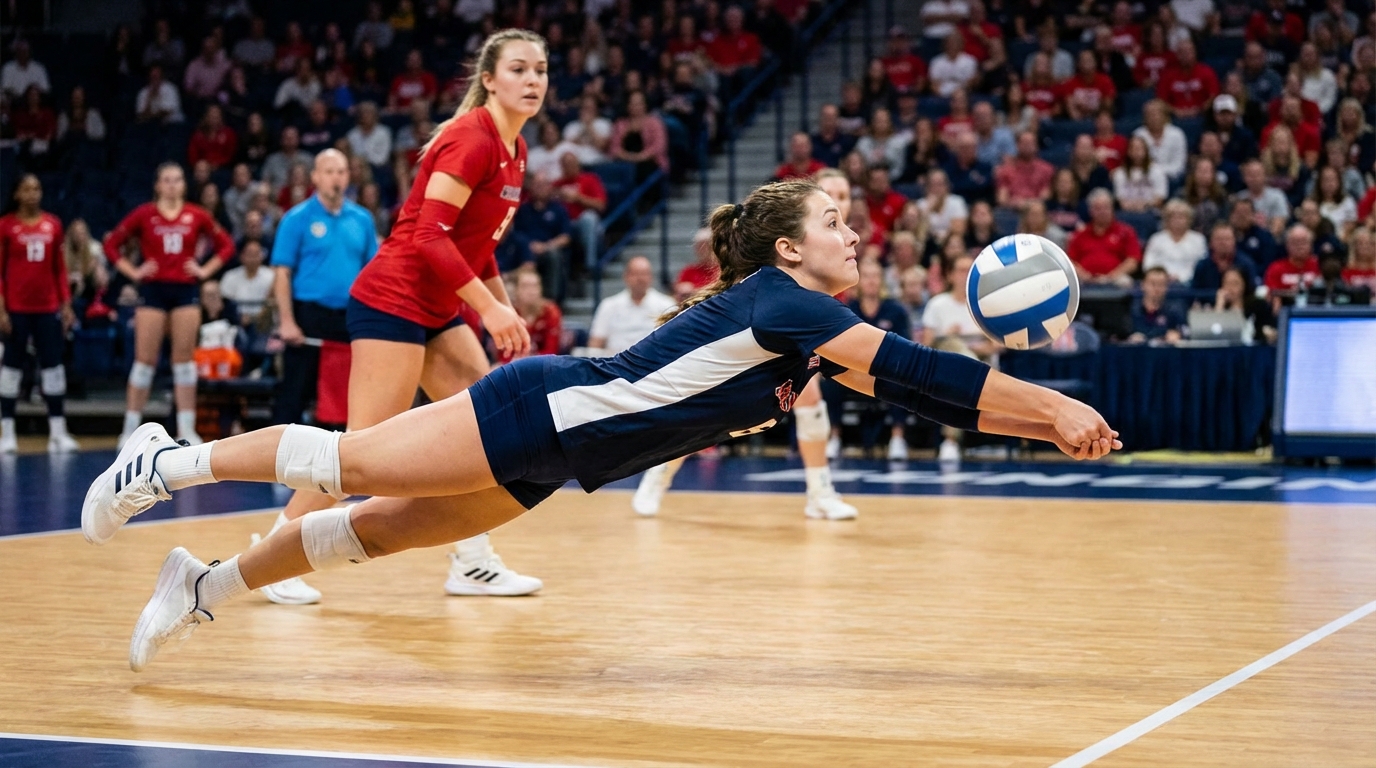
Modern volleyball attacks are faster, more powerful, and more varied than at any point in the sport's history. Jump serves regularly exceed 100km/h. Quick sets give defenders fractions of a second to react. In this environment, the libero has become the most impactful specialist on the court.
A great libero doesn't just dig balls - they transform your entire back-court system. They stabilise serve receive, organise defensive positioning, and provide the platform from which your offence operates. Without clean first contact, nothing else works.
Yet many coaches still treat the libero position as simply "the player who can't attack." That's a fundamental misunderstanding. The best liberos are athletes with exceptional reading ability, lightning-fast reactions, and the leadership to run the back court.
Core Skills Every Libero Needs
Platform Passing
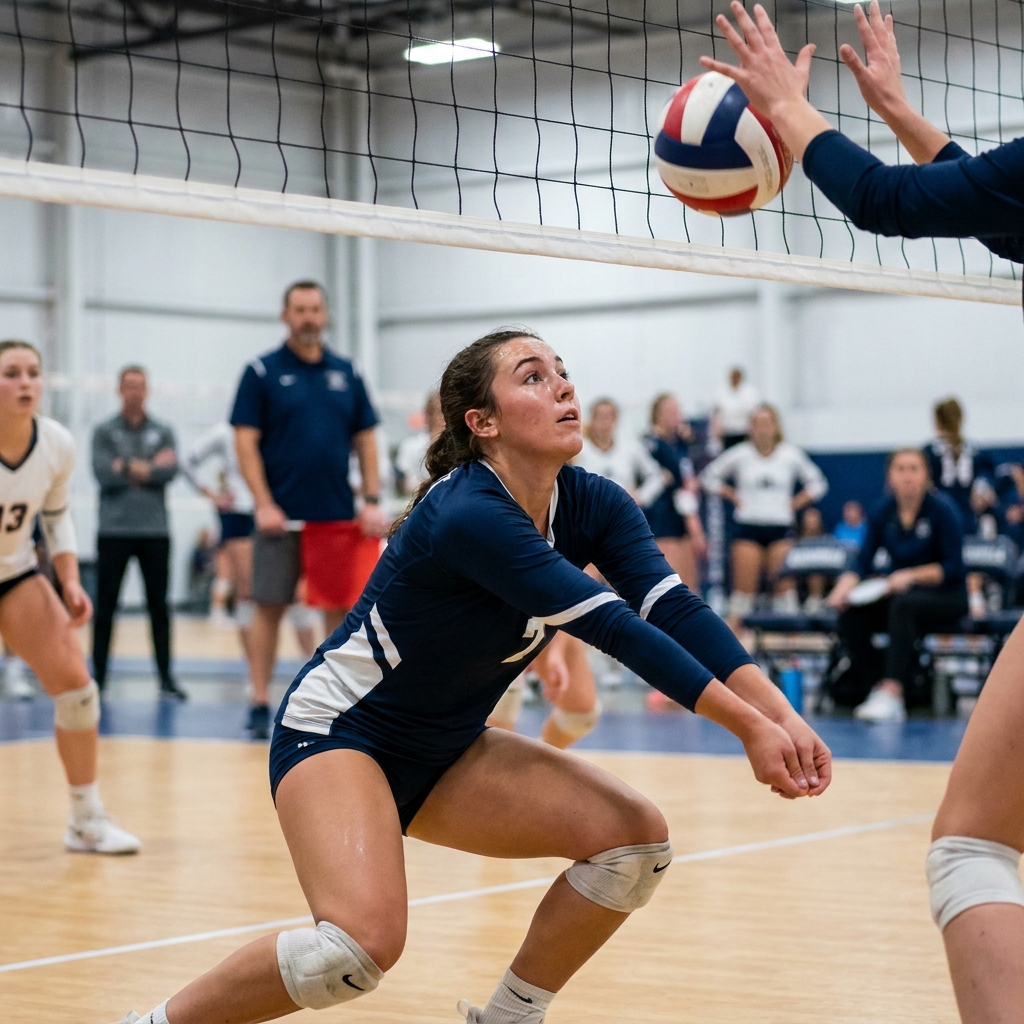
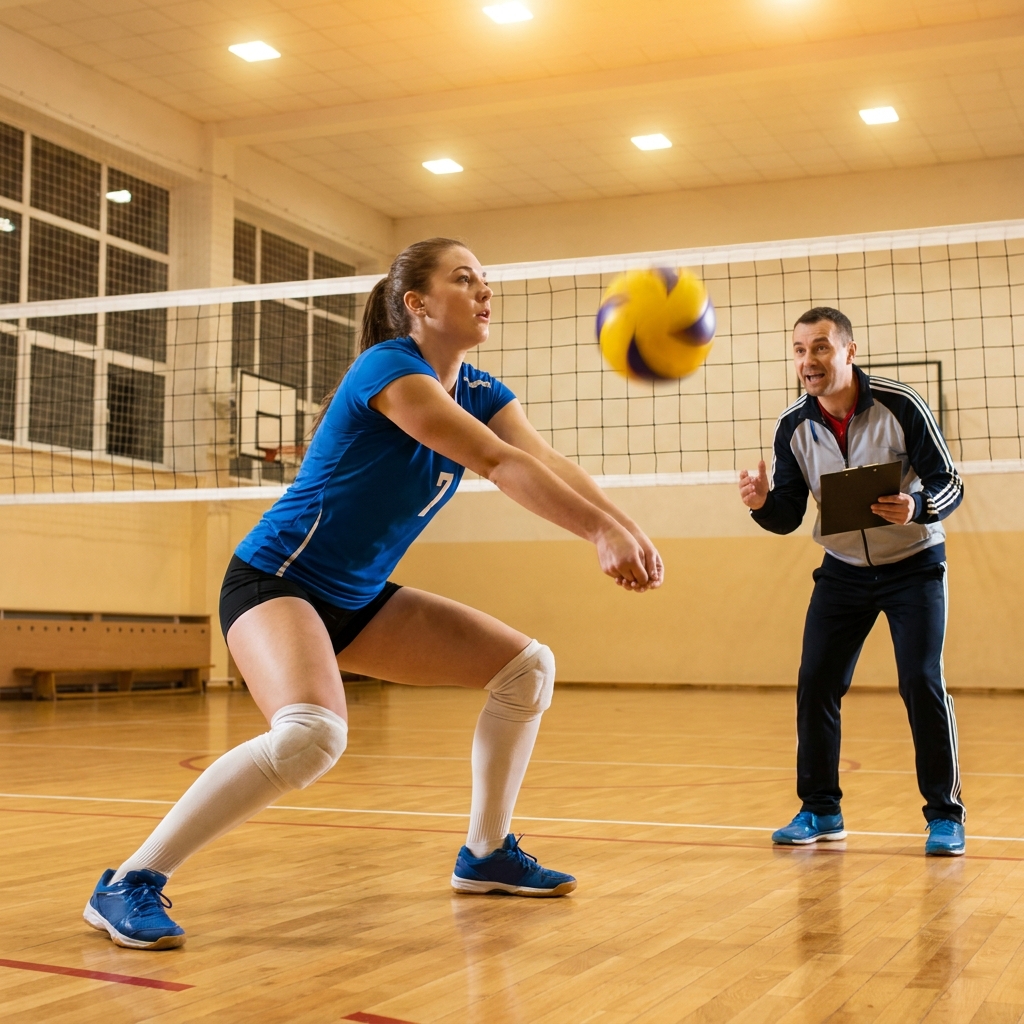
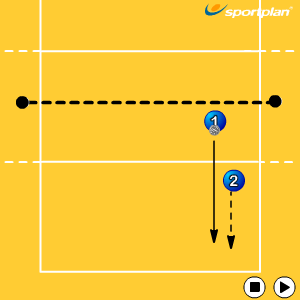
The libero's forearm platform is their primary tool, and it needs to be exceptional. This means consistent arm position, controlled angle, and the ability to absorb pace while directing the ball accurately to the setter's position.
Elite liberos maintain their platform under extreme pressure - off-speed tips, full-power attacks, and everything in between. The key is thousands of repetitions at varying speeds and angles. There are no shortcuts here.
Reading Hitters
Before a ball is even struck, a good libero has already started moving. They read the setter's hands, the hitter's approach angle, and the arm swing to anticipate where the ball is going. This anticipation is what separates average defenders from exceptional ones.
Reading is a trainable skill, not a natural gift. It develops through deliberate practice where players are forced to make decisions based on visual cues rather than reacting to the ball after contact.
Court Positioning
Positioning is where volleyball intelligence shows most clearly. The libero must adjust their base position for every rotation, every opponent, and every situation. Against a strong cross-court hitter, you shade that direction. Against a team that tips frequently, you creep forward.
Smart positioning means being in the right place before the ball arrives. It reduces the distance you need to cover and increases the percentage of balls you can reach. Coaches should spend significant time working on defensive positioning systems with their libero.
Serve Receive Mastery
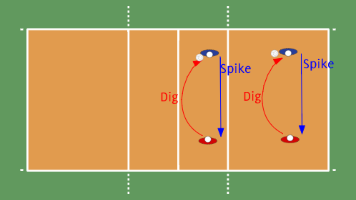
In many teams, the libero handles 40-50% of all serve receptions. This is an enormous responsibility, and it requires a specific skill set beyond general passing ability.
Reading the Server
Just as with attacking, reading the server's toss, body position, and contact point gives the libero crucial early information. A toss to the right suggests a cut serve; a toss further forward often means more topspin. These cues allow earlier movement and better platform preparation.
Movement to the Ball
Efficient footwork is everything in serve receive. The libero needs to move quickly to position behind the ball, get stopped and balanced before contact, and present a stable platform. Shuffle steps for short distances, crossover steps for longer movements, and the discipline to stop before the ball arrives.
Communication
The libero calls the ball early, calls "in" or "out," and directs teammates' positioning. Clear, loud, and early communication prevents confusion and frees other passers to focus on their own zone. The libero is the back-court conductor.
Dig Technique and Recovery
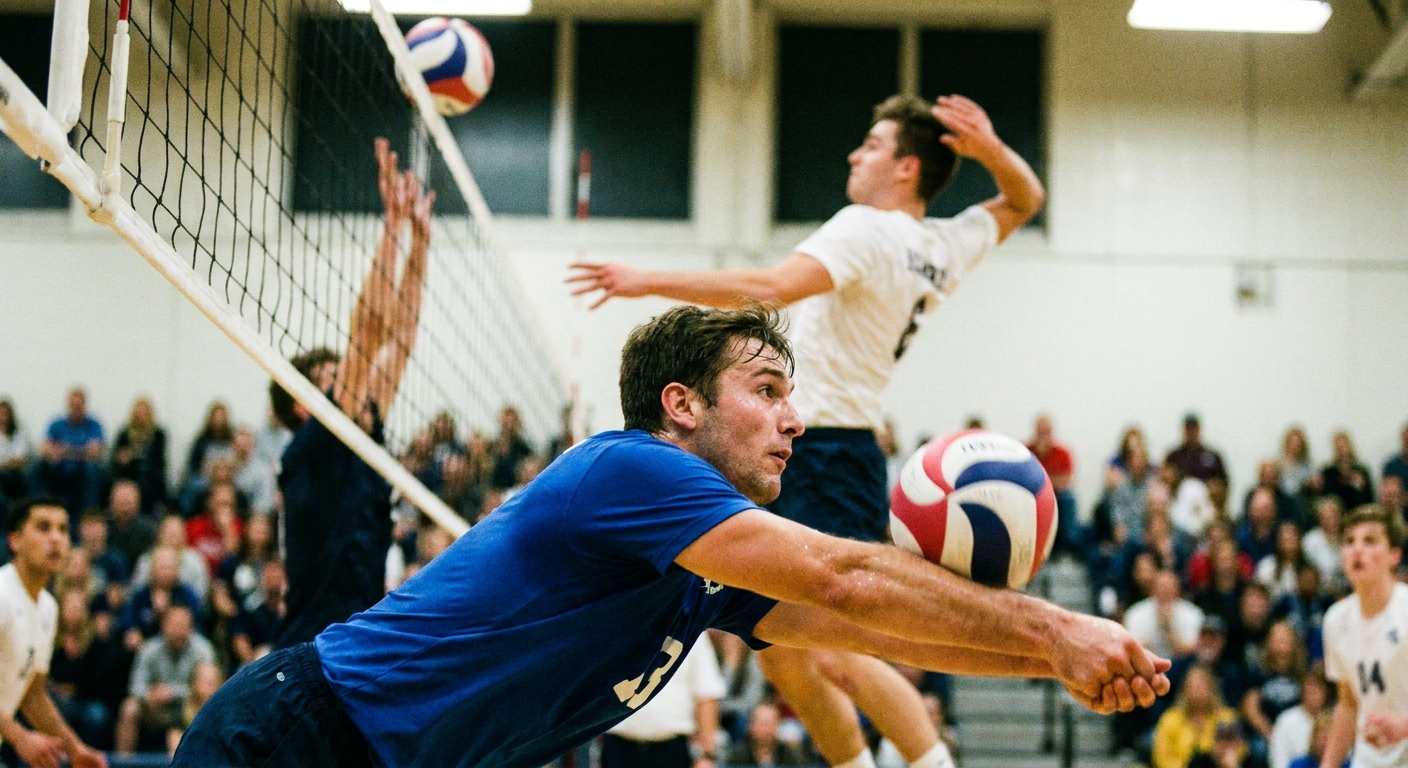
Digging is more than just getting the ball up. An effective dig puts the ball in a hittable position for the setter. This means controlling the angle of your platform, absorbing pace on hard-driven balls, and using your legs to lift on off-speed shots.
Types of Dig
- Standard platform dig: Forearms together, angle controlled, directing to target
- Sprawl: Extending low and forward for short tips and roll shots
- Pancake: Flat hand on the floor as a last resort for balls that drop short
- Overhead dig: Using the hands to take high balls directed at the body
- One-arm dig: Reaching to the side for balls outside normal range
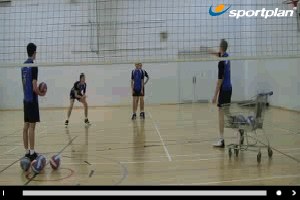
Each technique has its place, and the libero must master all of them. Training should include drills that force different dig types so the player develops automatic selection based on the situation.
Recovery and Transition
After every dig, the libero must recover to a ready position immediately. The play doesn't stop because you've made a great save. Get up, find your base, and prepare for the next contact. This recovery speed is often what separates good liberos from great ones.
Communication and Leadership
The libero sees the entire court from the back row. This makes them the natural leader of the defensive system. They call blocking assignments, direct defensive positioning, and provide constant information to teammates about what they're seeing.
This leadership role should be developed deliberately in training. Encourage your libero to talk constantly - before serves, between rallies, and during play. Communication is a skill that improves with practice, and quiet liberos are underperforming regardless of their physical ability.
What to Communicate
- Serve type and direction as soon as they read it
- Hitter tendencies based on rotation and approach
- Defensive positioning adjustments for teammates
- Encouragement and energy - the libero sets the emotional tone of the back court
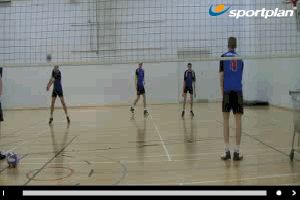
Identifying and Developing Young Liberos
Not every short player should be a libero, and not every libero is short. Look for these qualities when identifying potential defensive specialists:
- Anticipation: Do they read the play early? Are they moving before the ball is struck?
- Low centre of gravity: Can they get low and stay balanced?
- Quick feet: Short, rapid movements are more important than straight-line speed
- Competitive mentality: Do they want to dig every ball? Is defence exciting to them?
- Communication: Are they naturally vocal? Do they organise those around them?
- Resilience: Can they shake off errors quickly and stay focused on the next play?
Start libero development early. Young players who enjoy defence should be encouraged and given specific training. Too often, the defensive role is treated as less important than attacking, which drives talented defenders towards other positions.
Frequently Asked Questions
What age should players start specialising as libero?
Most coaches recommend waiting until around 14-15 before full specialisation. Before that, all players should develop defensive skills alongside attacking. Early specialisation can limit a player's overall volleyball development.
How much extra training should a libero do?
Liberos benefit from additional defensive repetitions outside team practice - typically 2-3 extra sessions per week focused on digging, serve receive, and footwork. However, they should still participate in all team training to maintain game understanding.
Can a libero be the team captain?
While rules in many leagues prevent the libero from being the official captain, they are often the de facto back-court leader. Their communication and organisation skills make them natural leaders regardless of the armband.
How do you keep libero training interesting?
Vary the drills, add competition, and track statistics. Liberos respond well to measurable targets - dig percentage, serve receive rating, and first-ball accuracy. Gamify training to maintain motivation and intensity.