Hand tikken in lage positie. Spelers vormen duoâs. Ze staan recht tegenover elkaar. Speler A toont hand. Dit is het signaal voor speler B om voorwaarts te lopen, en met de linker hand de uitgestoken linker hand te tikken. Na het contact wordt de hand weer achter de rug gehouden. Speler B loopt achterwaarts tot de hand opnieuw getoond wordt. Aandachtspunten: Correcte looptechniek bij zowel voor- als achterwaartse verplaatsingen. Speler A presenteert de hand laag bij de grond, om zo speler B te verplichten om een lage verdedigende houding aan te nemen. Speler B maakt voor- en achterwaartse verplaatsingen van max. 10m. Zone afbakenen.
This practice has no coaching points
This practice has no progressions

in more ways than one
 sportplan_hockey

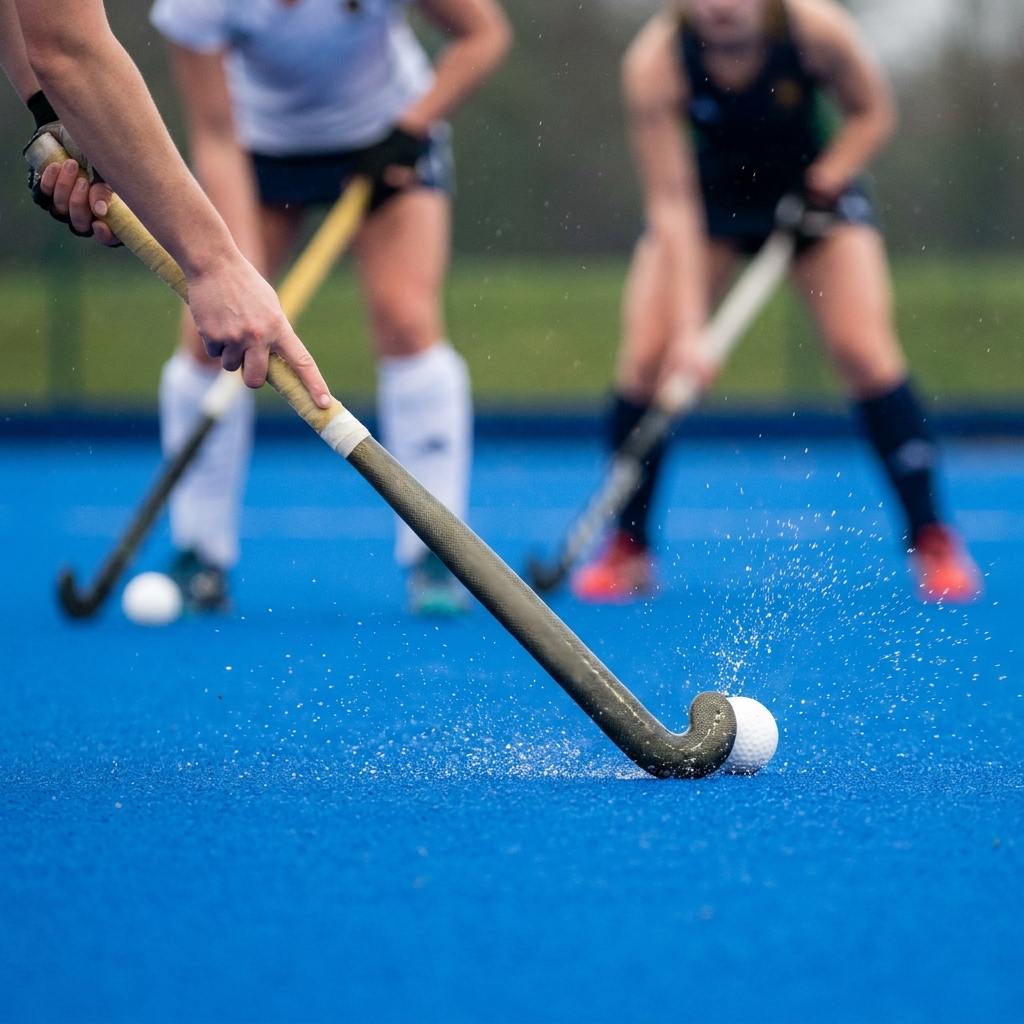
A few weeks into the league season, poor first touches are costing teams the ball. Coach body shape, scanning and receiving on the move to keep possession.

Pre-season fitness fades fast once the league starts. Build conditioning into ball work and use rolling subs well to keep your squad sharp all season.
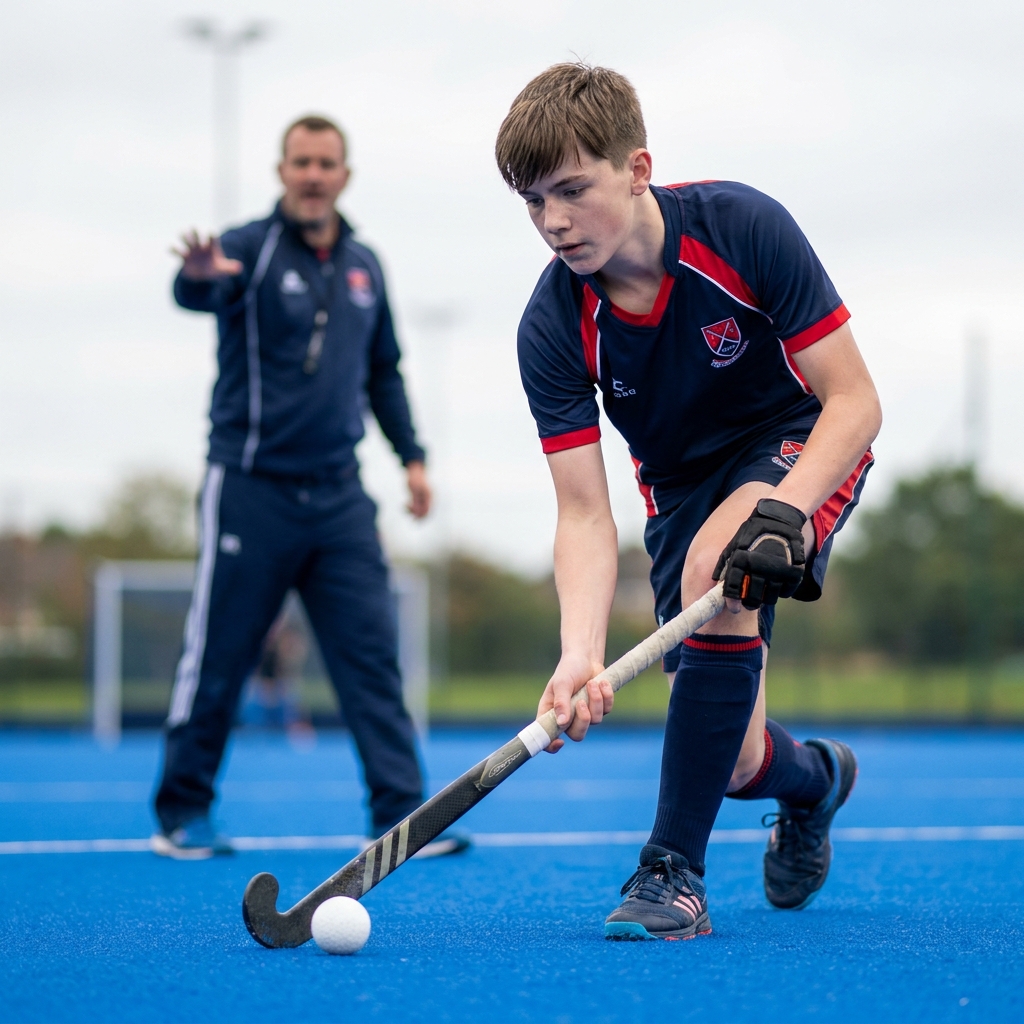
The first weeks of the season decide whether a junior or new player sticks with adult hockey. Here is how to keep them safe, give them a clear job and build their confidence from the very first bully.