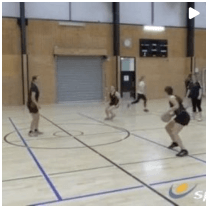
In groups of 4 working in small space (1/4 badminton court) A1 marked by D1 are both static A2 and D2 are working, focus on activity of D2 D2 is focussed on driving A2 high and wide, and preventing any balls landing in the middle at the back Work for 10 passes, then swap Have at least 2 turns, increase intensity In the sketch, D2 is successful as the 3 passes are all taken without gain of space down the court. Progression: Team defence work can be encouraged by D2 calling to D1 (1) so that she knows how to angle her body for effective hands over ball marking (2) calling for the drop if D2 has been effective in encouraging A2 up high enough that D1 has a chnace to drop and intercept
Defenders movement on and off the player to âencourageâ the next movement Recognising when not to over run the ball Ensuring the job is done, and not dropping off the player too early which would allow them to cut through Thinking ahead, positioning for the next move Out of 10 passes, might only intercept 1, but recognise that forcing the short pass is a victory!
This practice has no coaching points
This practice has no progressions

in more ways than one
 sportplan_netball


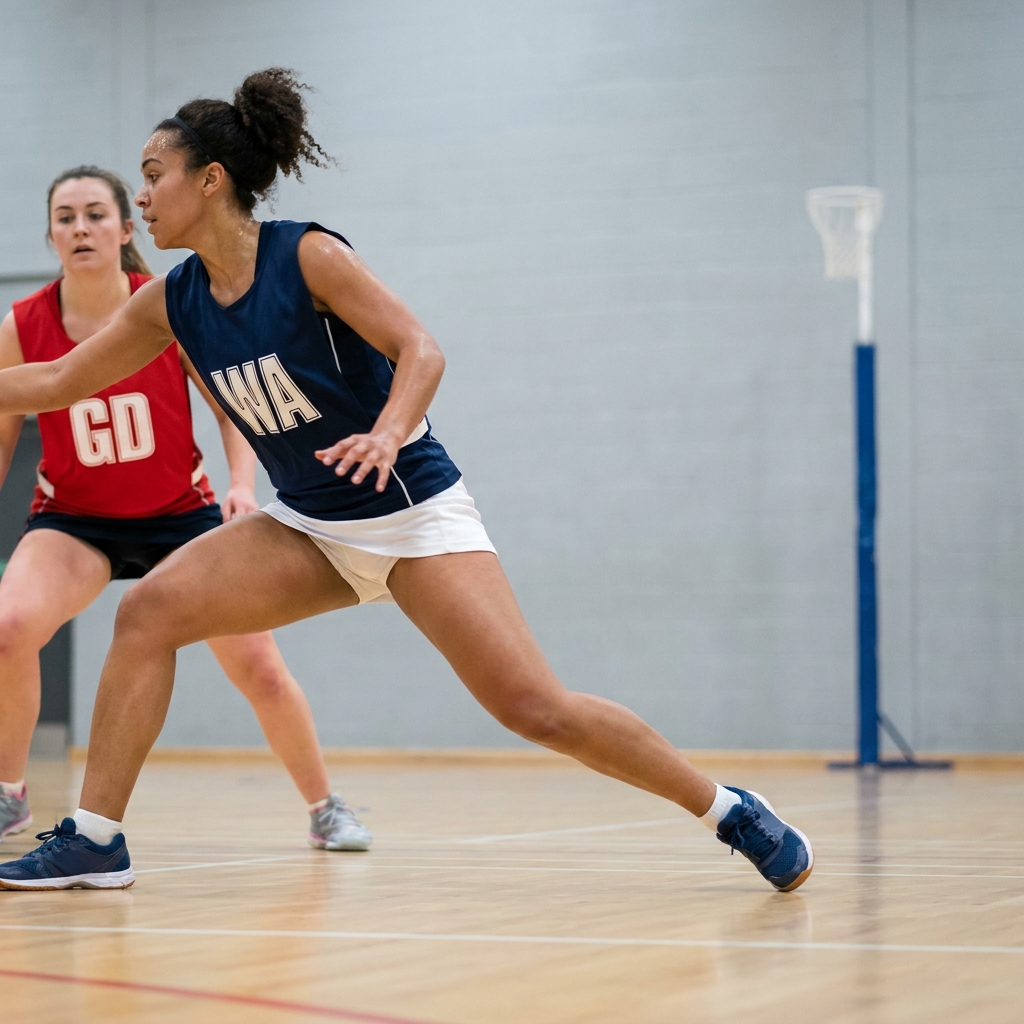
Tight markers win when attackers run in straight lines. Teach your players to dodge, change pace and time their drive so they get free when the ball is ready.
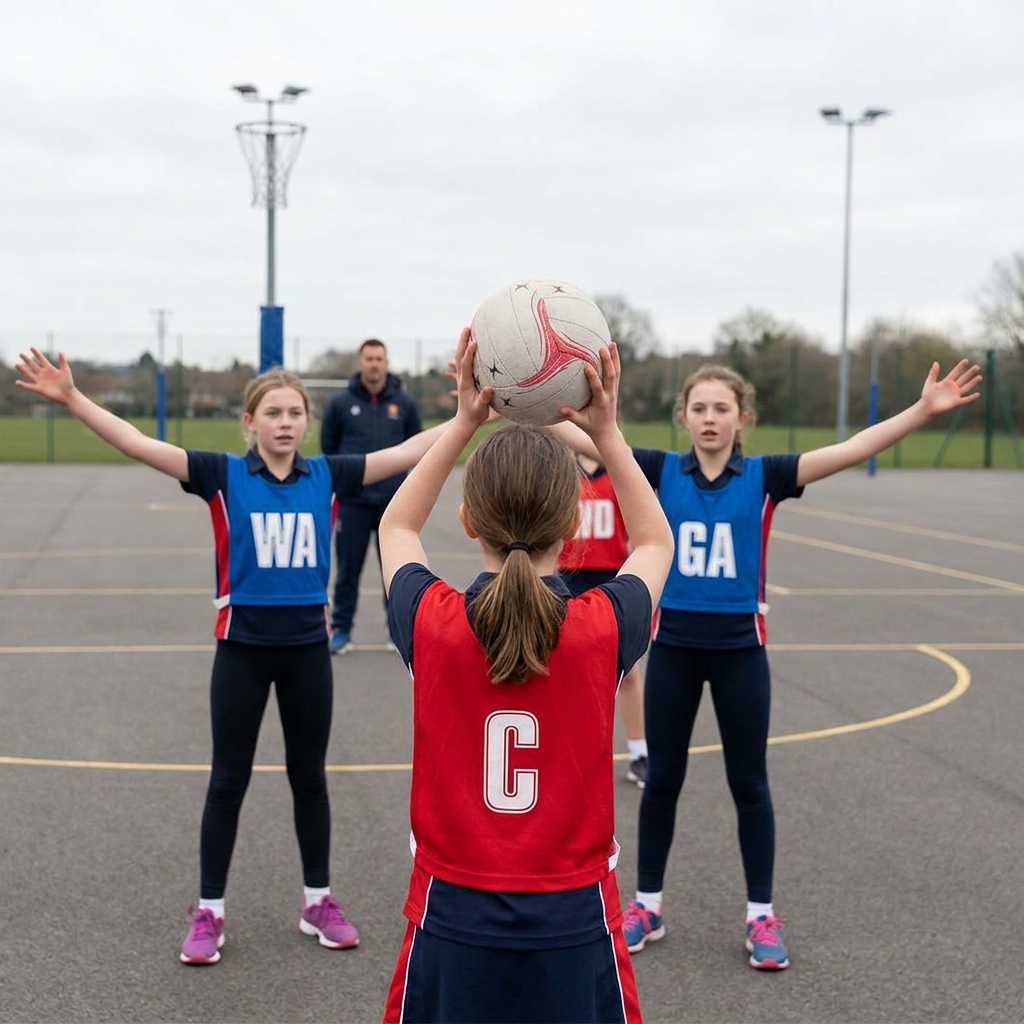
When everyone chases the ball, nobody is free. Teach your team to spread out, offer two options and clear space so the ball moves cleanly down court.
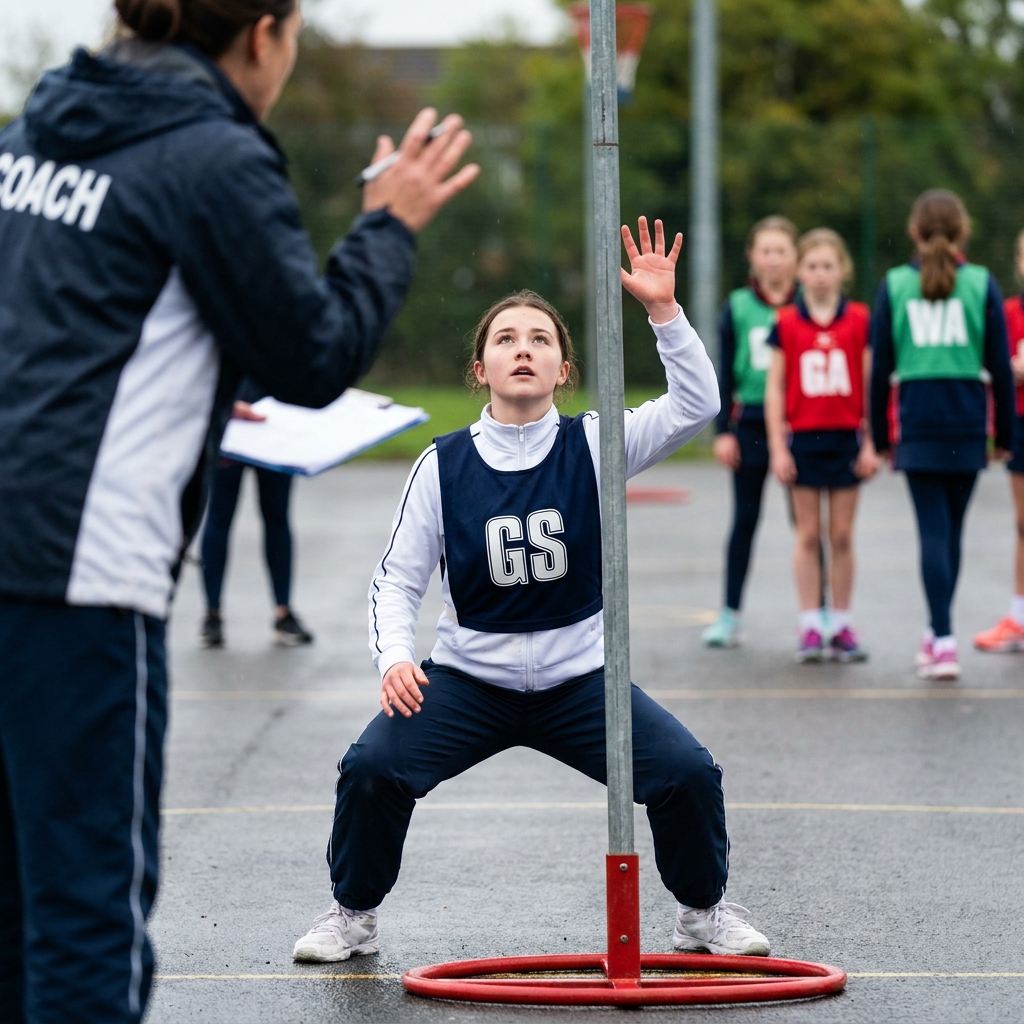
A shooter who can hold a strong position under the post is worth more than one who runs all over the circle. Here is how to coach body shape, a legal hold and a well-timed release, and how feeders make the most of it.