This practice has no description
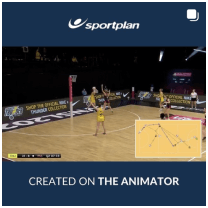
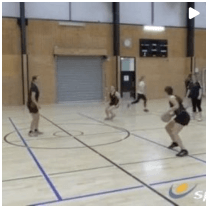
All passes should extend the players and be placed well in front to ensure theyâve driving onto the ball at full pace. â Players should be aiming to hit the circle on their drives. If theyâre landing just off the circle, encourage them to make that their focus the next time around. â You want to see a baulk/fake pass into the goaler on the first drive onto the circle. Ask them to really âsellâ the fake before turning and resetting. â The goaler should remain active the entire time, and present for that baulked pass, even though they donât receive it. â On the reset, ensure the player gets at least a couple of metres off the circle before driving back on. â The goaler needs to hold their movement and time their lead so they pop to the edge of the circle just as their teammate lands on the circle the second time. If theyâre having to stop and wait to receive, theyâre probably too early. â The goalerâs final movement when the ball reaches the circle on the final midcourt drive needs to be a finishing move within shooting range. Encourage a range of finishing moves here: dodges, lead and drop back, rolls, holds (one you add defence) etc. â To advance the drill, add a defender onto the goaler so that they have to prepare and work for space and position early as the ball travels to the circle. You may also wish to add defence on the midcourt drives to the circle.
This practice has no coaching points
This practice has no progressions

in more ways than one
 sportplan_netball

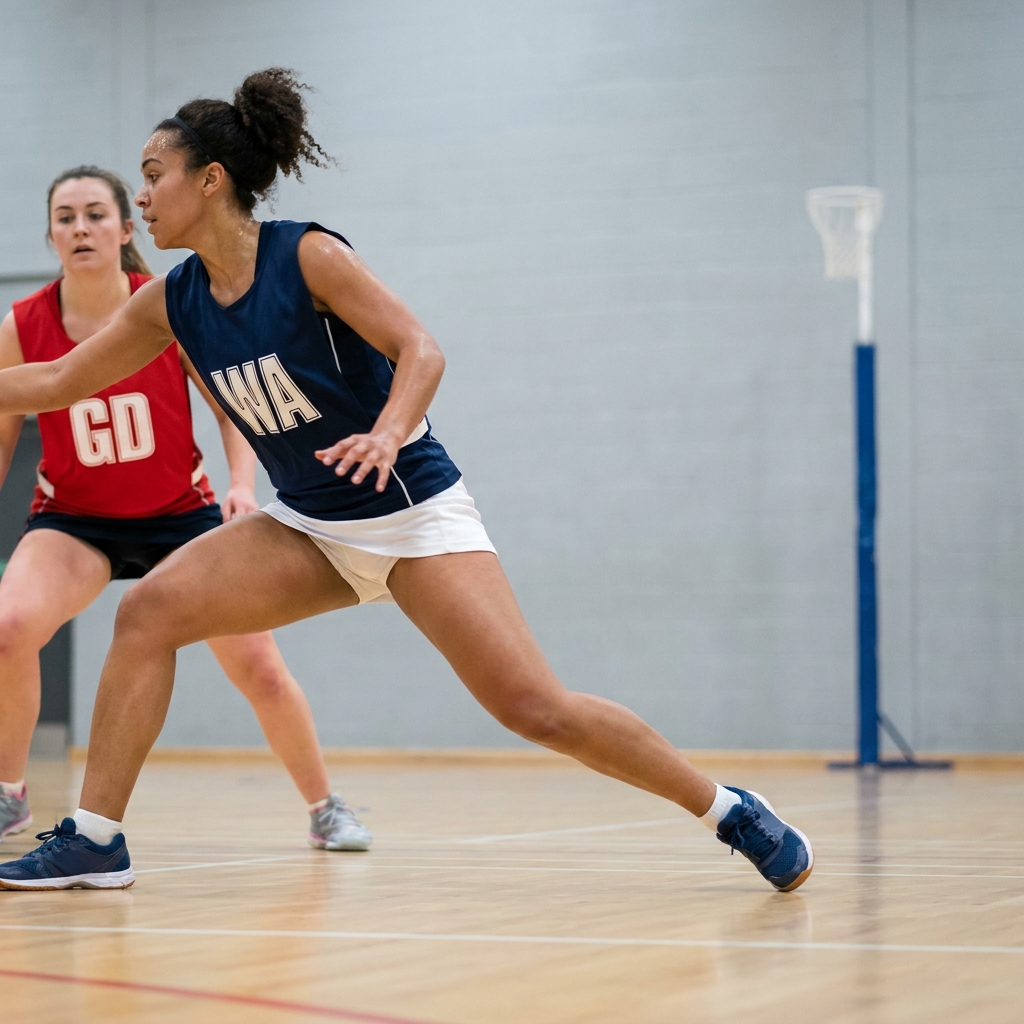
Tight markers win when attackers run in straight lines. Teach your players to dodge, change pace and time their drive so they get free when the ball is ready.
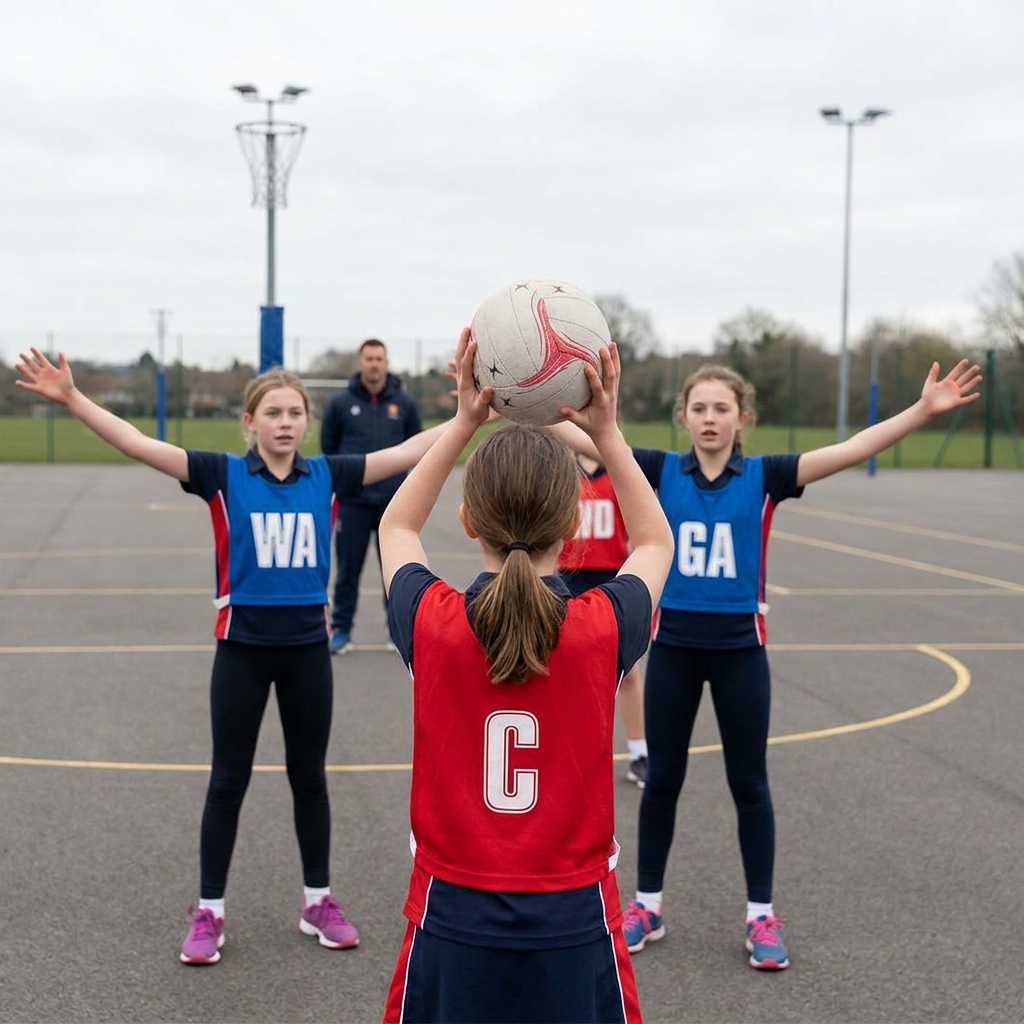
When everyone chases the ball, nobody is free. Teach your team to spread out, offer two options and clear space so the ball moves cleanly down court.
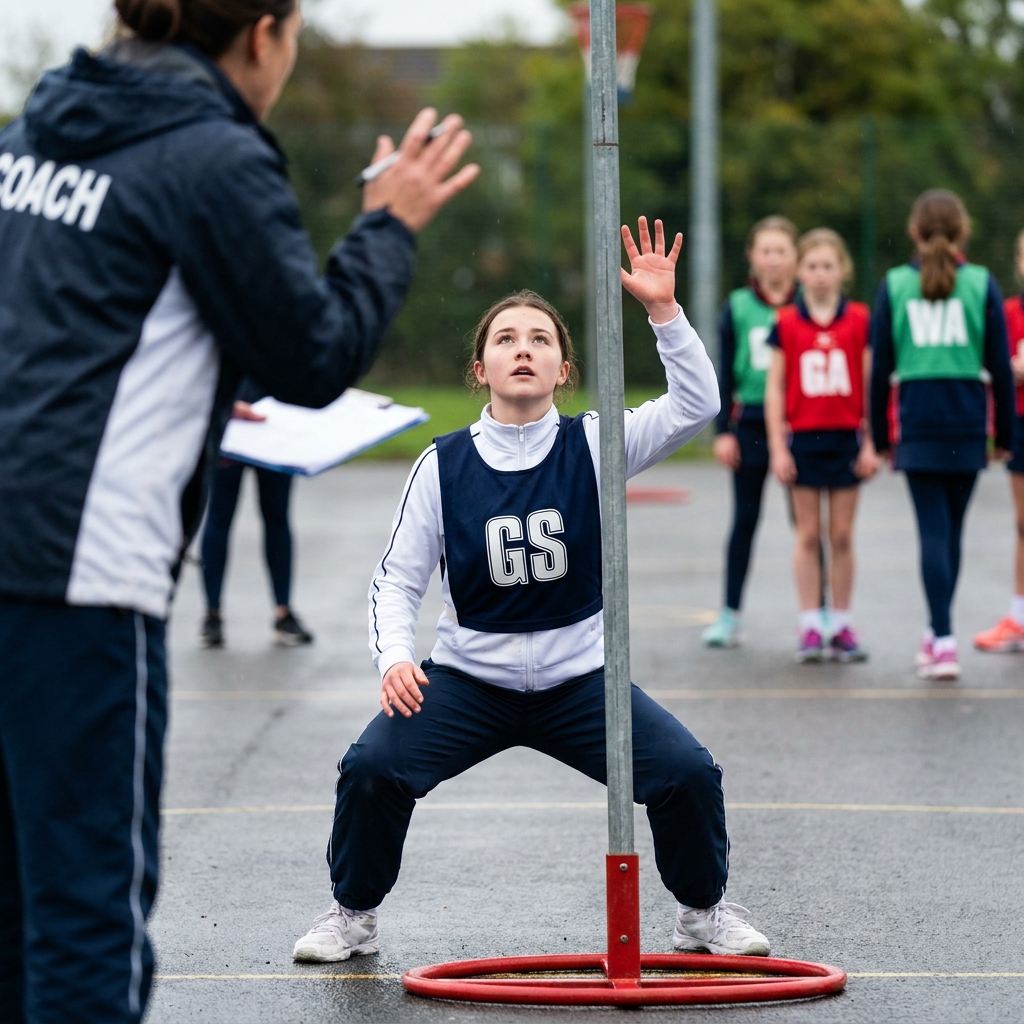
A shooter who can hold a strong position under the post is worth more than one who runs all over the circle. Here is how to coach body shape, a legal hold and a well-timed release, and how feeders make the most of it.