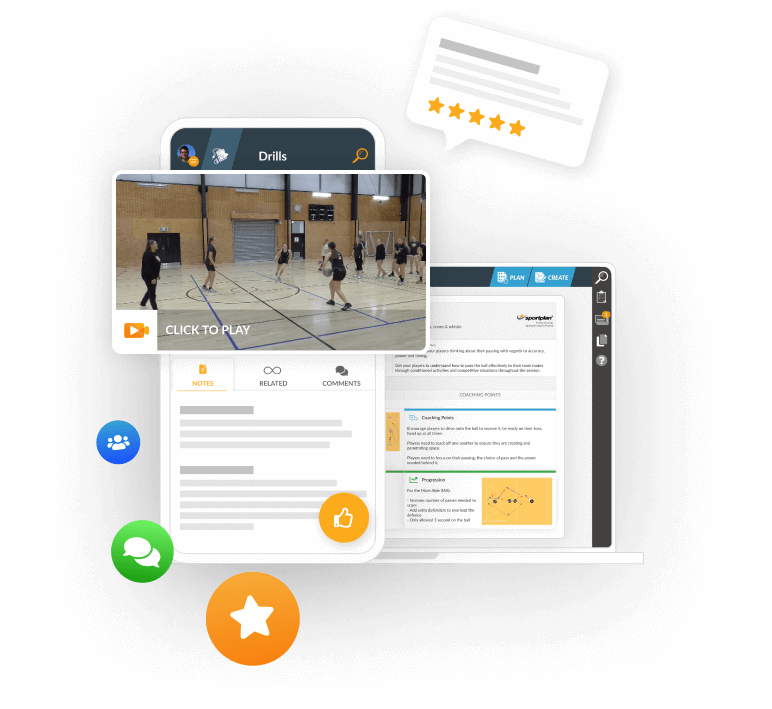
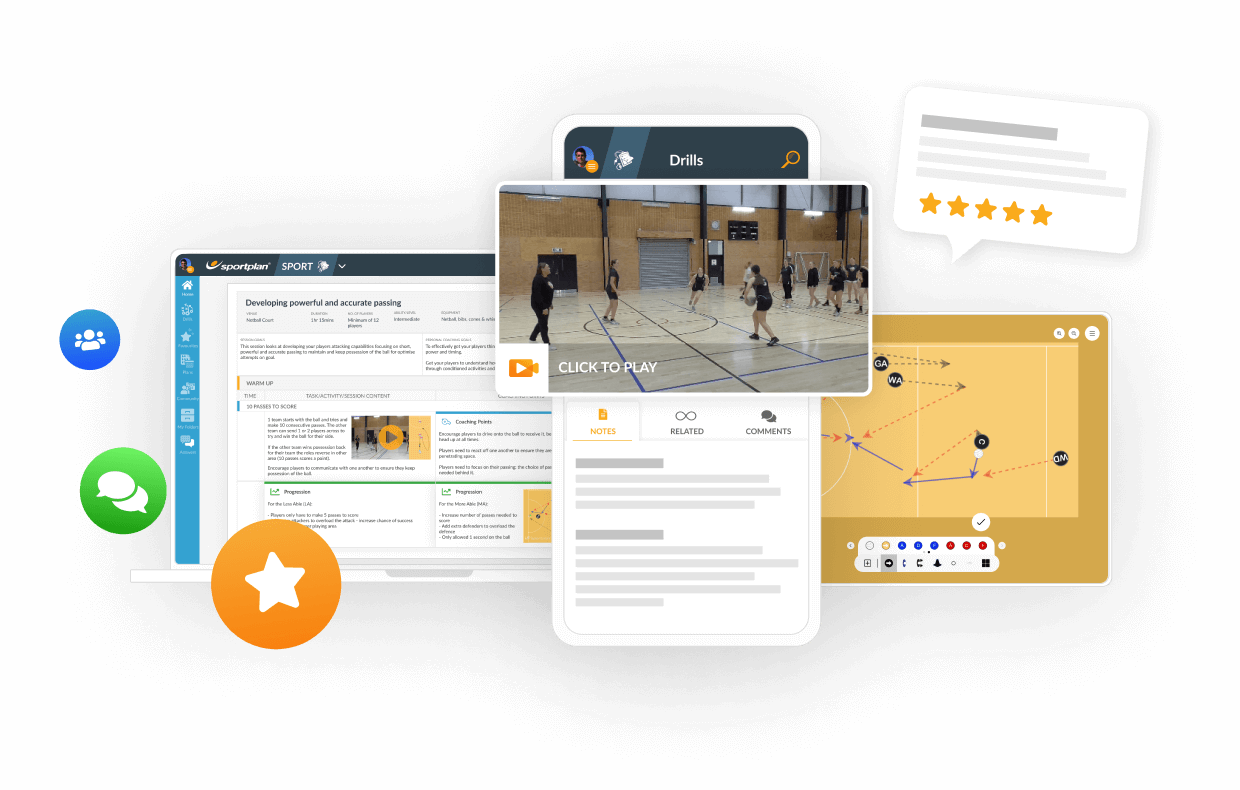
In groups of 5, 2 players in the circle whilst the others are working outside of the circle passing the ball to each other moving around the third area, on and off the circle edge. The 2 players inside the circle are moving so that whilst 1 player is moving towards the ball, the other is in the diagonal âboxâ; the players should avoid being lateral to each other. For those new to this principle, initially no ball thrown into the circle, just getting the players used to the movement. Progression 1:After 6 passes, the ball should go into the player driving closest to the post Progression 2:Add in a defender man-on to one player Progression 3:Both circle players now marked by a defender
Moving with intensity and intent to get the ball Feet under the body, hands ready to receive a pass Good communication in voice and âcuesâ from all players; reading off front player. Quick reactions; switch from âleadâ to âreadâ How do they adapt when defenders come into play; what attacking movements can they use whilst still working as a unit? If you are trying to encourage more movement (and less holding), you can make it a condition in gameplay that the players have to move on every pass, even if ball swung and lands next to them.
This practice has no coaching points
This practice has no progressions
in more ways than one
 sportplan_netball

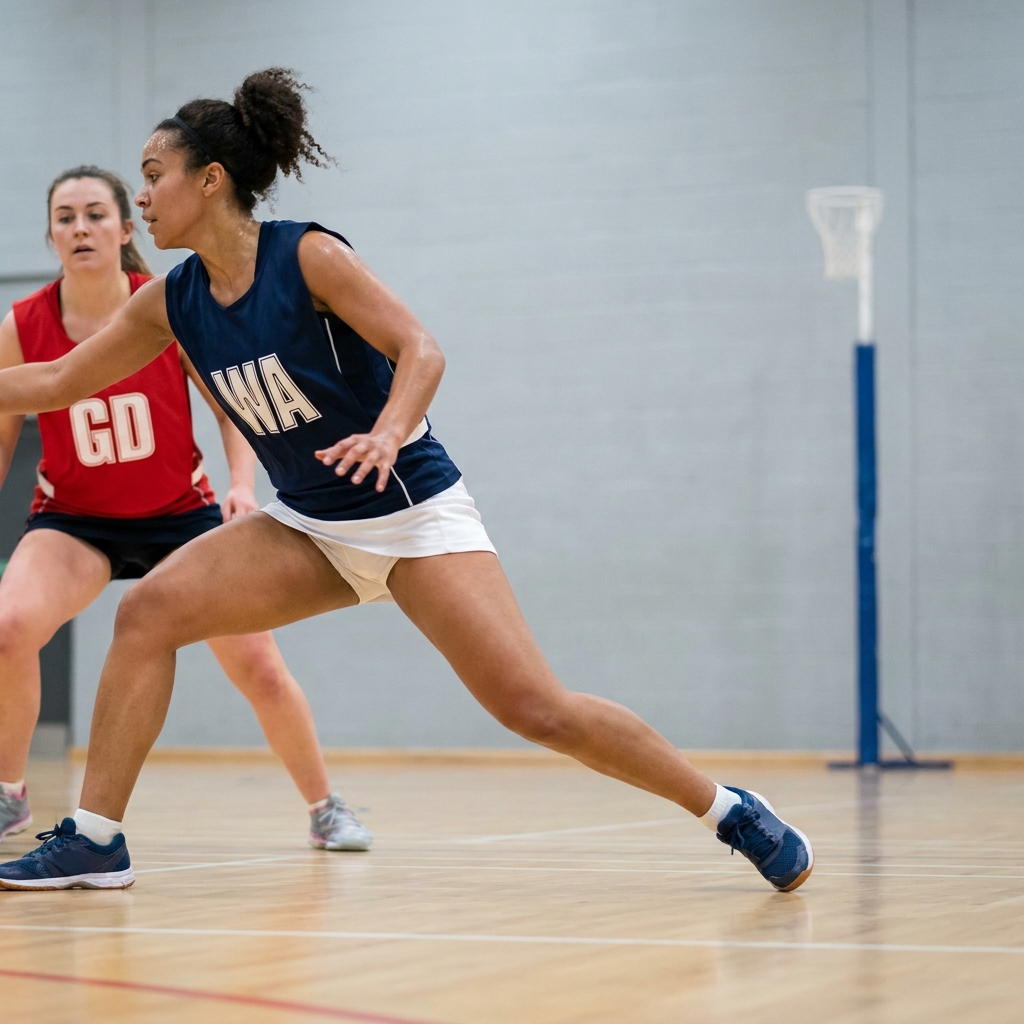
Tight markers win when attackers run in straight lines. Teach your players to dodge, change pace and time their drive so they get free when the ball is ready.
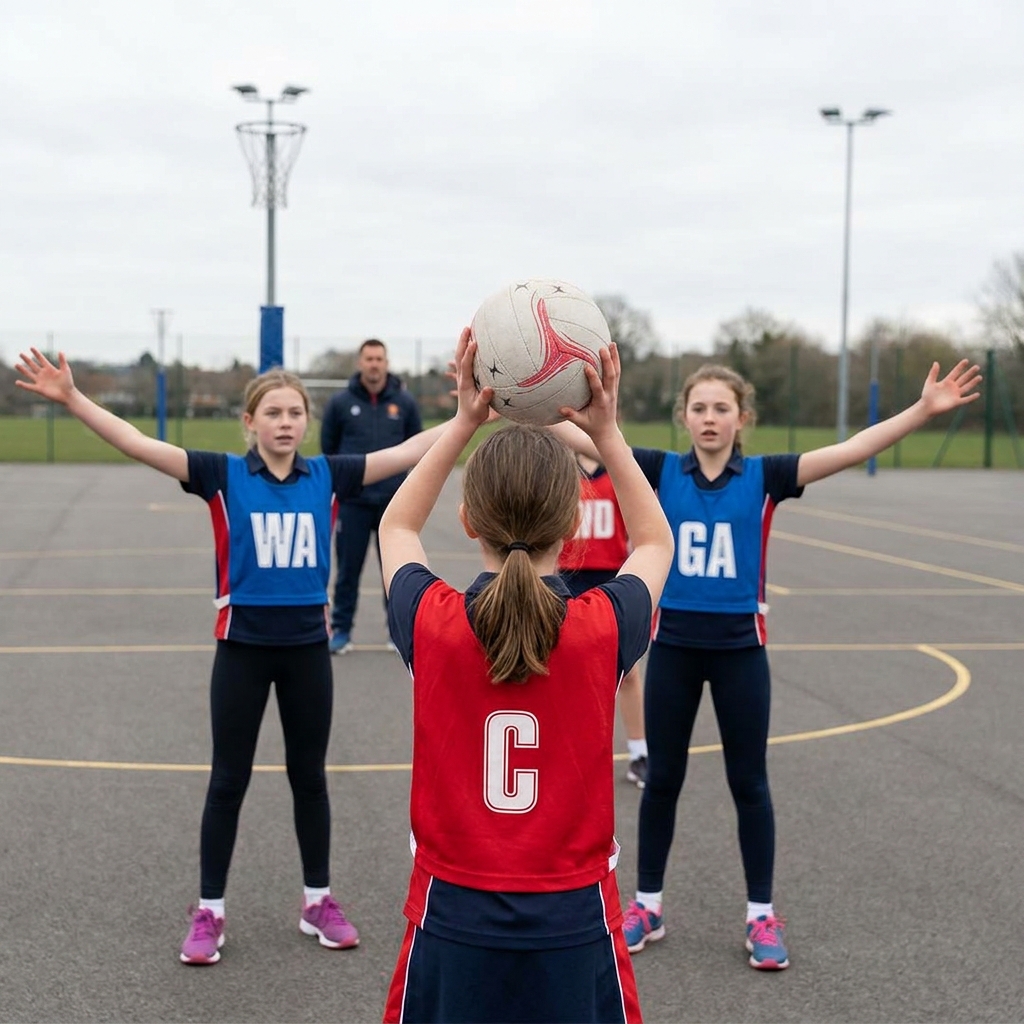
When everyone chases the ball, nobody is free. Teach your team to spread out, offer two options and clear space so the ball moves cleanly down court.
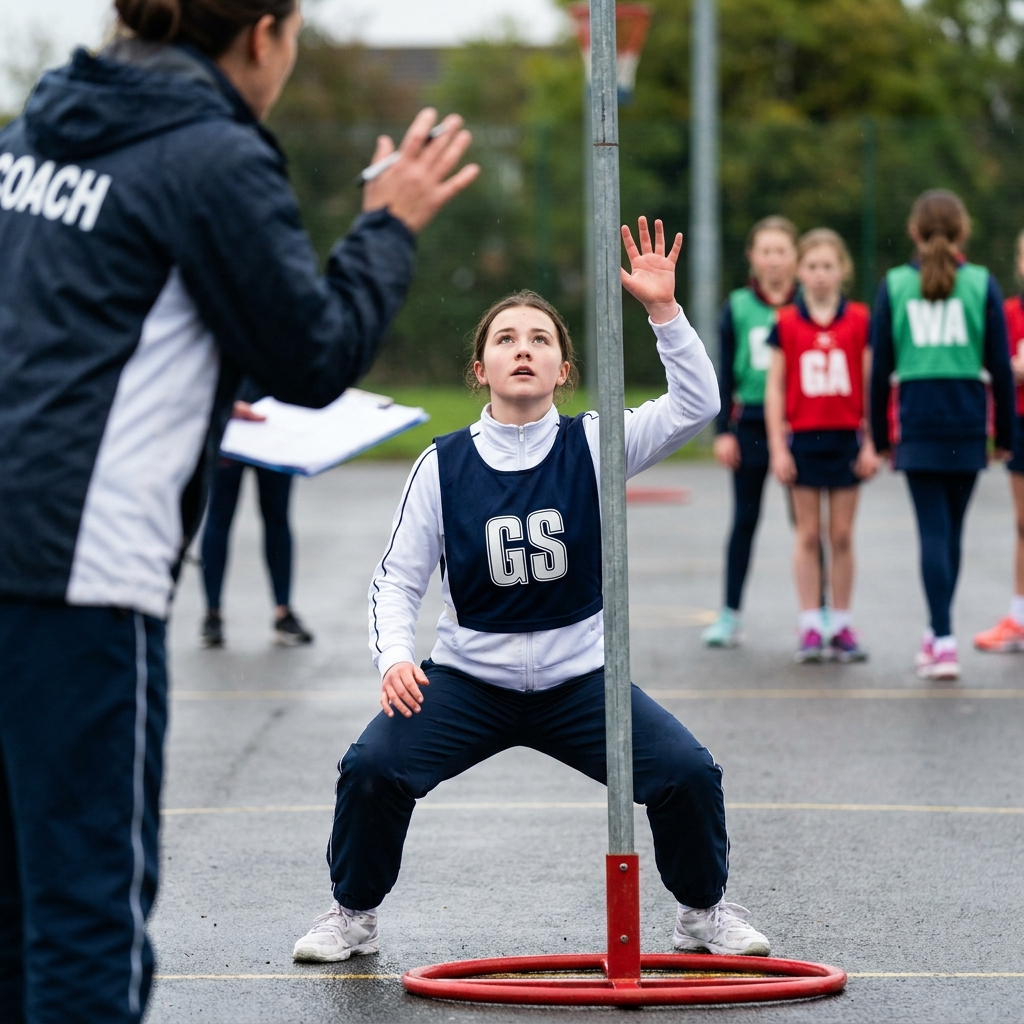
A shooter who can hold a strong position under the post is worth more than one who runs all over the circle. Here is how to coach body shape, a legal hold and a well-timed release, and how feeders make the most of it.